




GitHub link          README


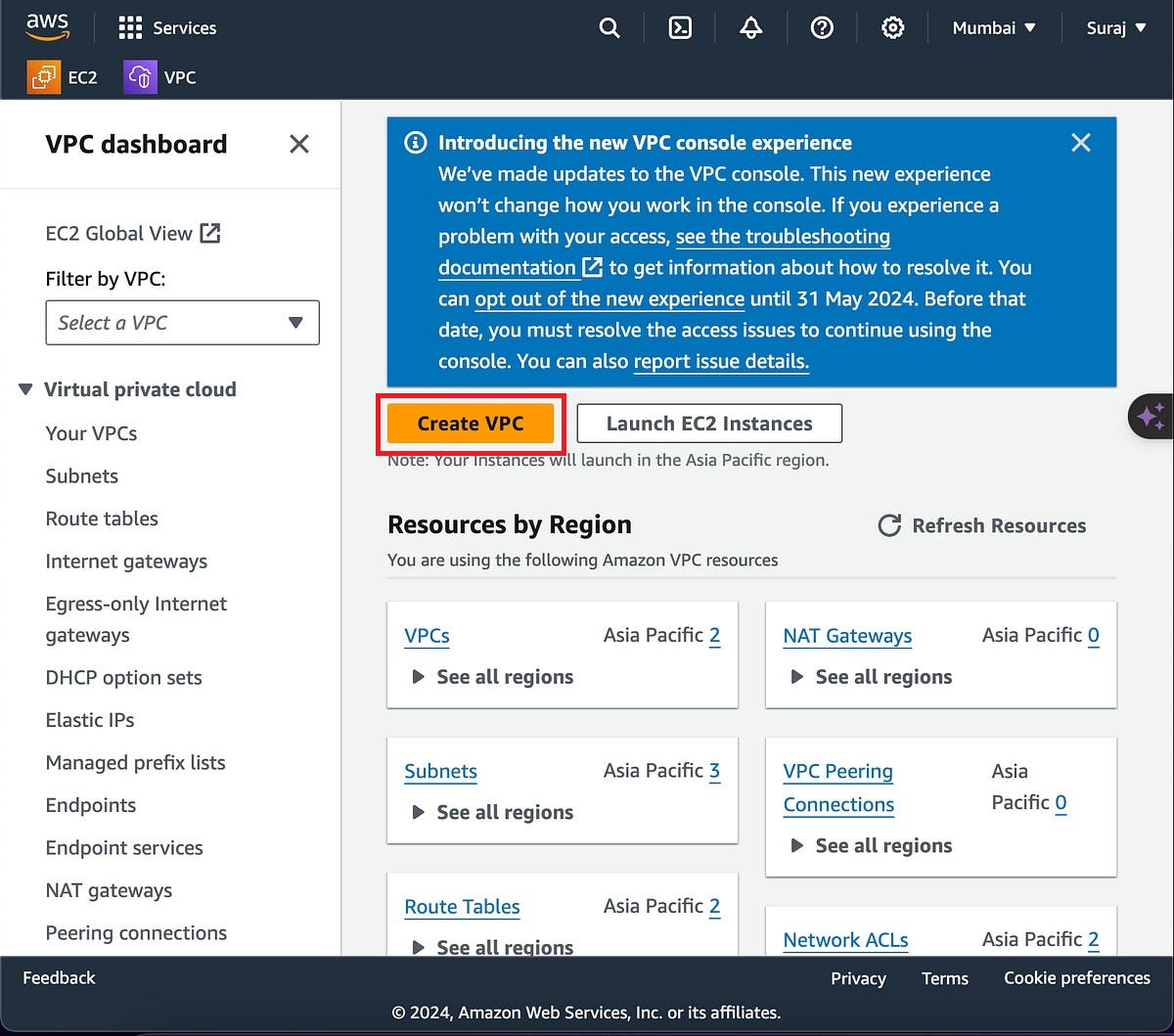
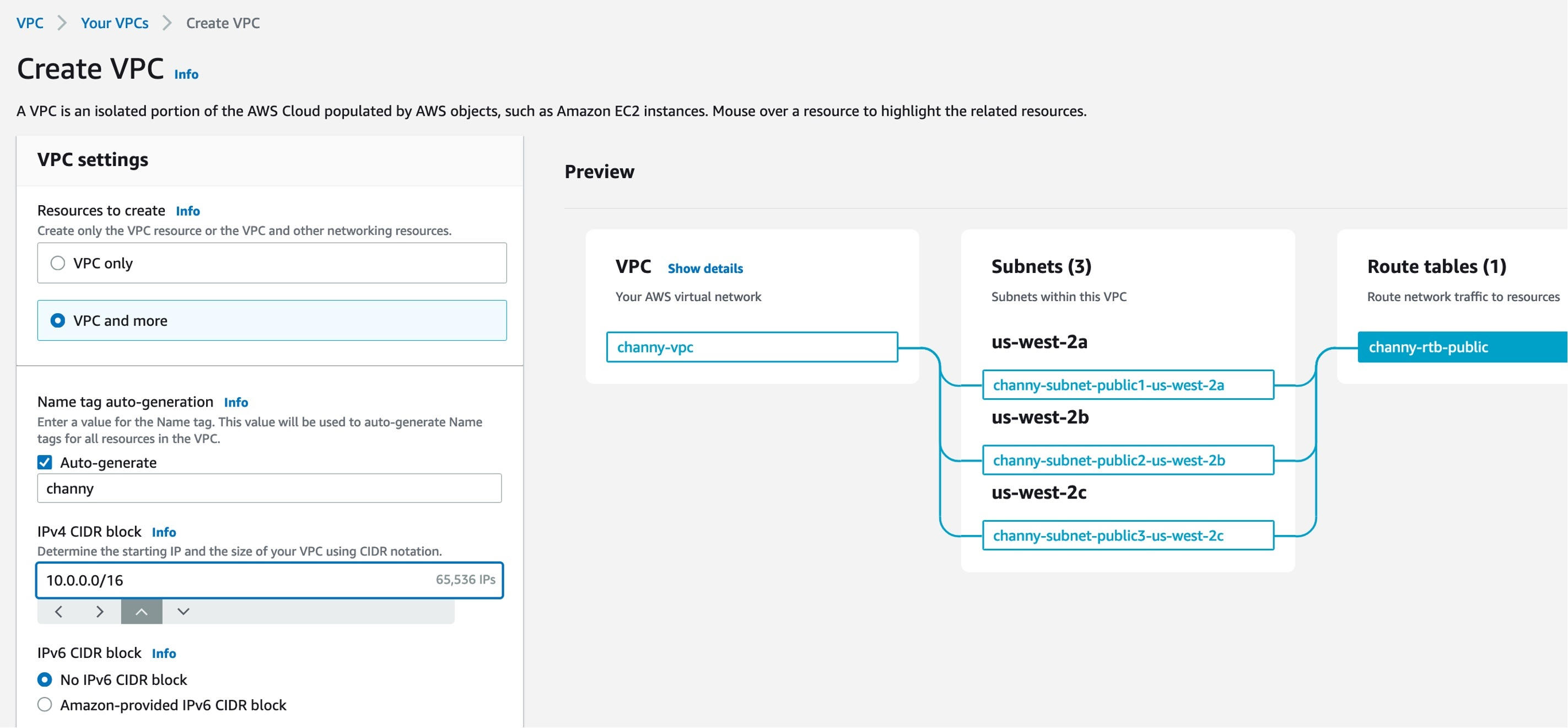
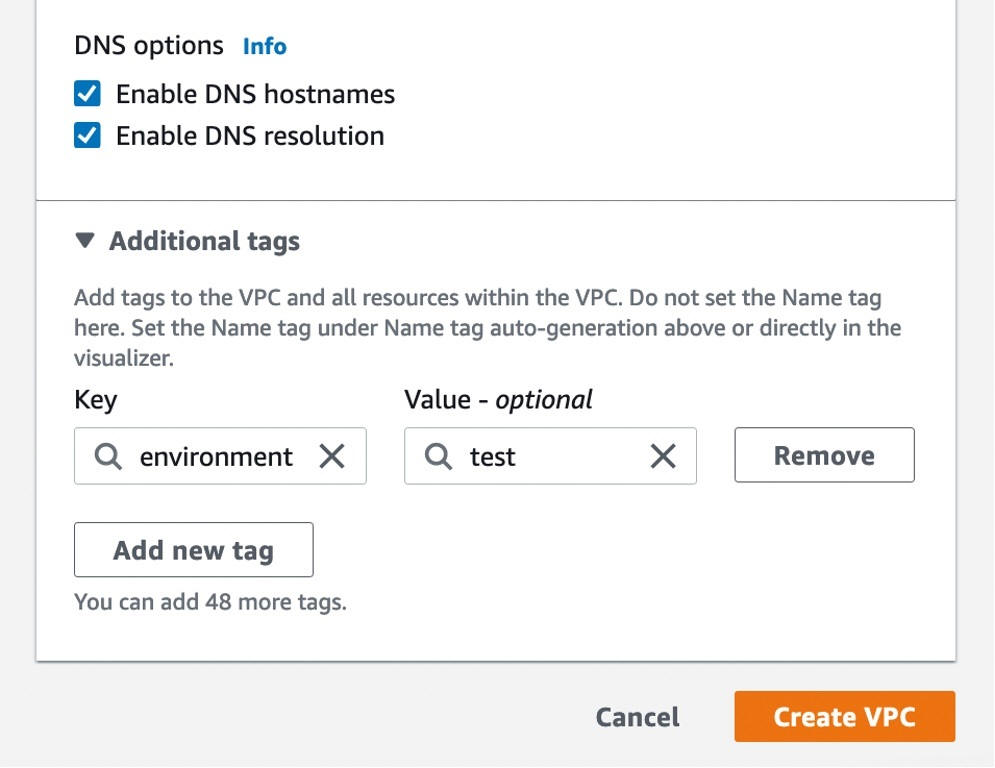
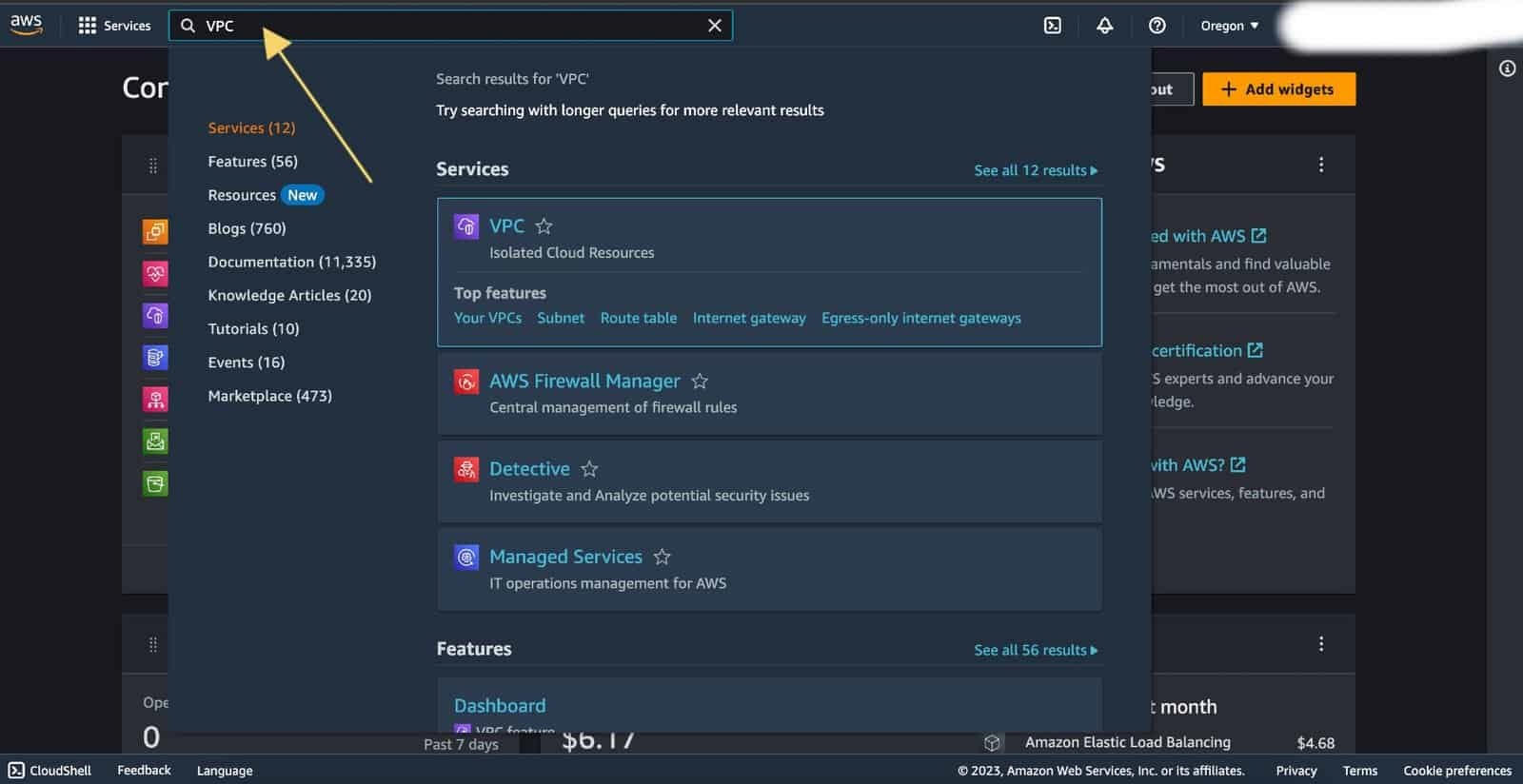
1. Create the VPC (the network foundation) :

Amazon VPC

👉 Why start here?
Because a VPC is like an empty piece of land.

✔️ Nothing can exist without it:
➡️ no servers
➡️ no network
➡️ no security

💡 It’s the foundation of the entire architecture.

---

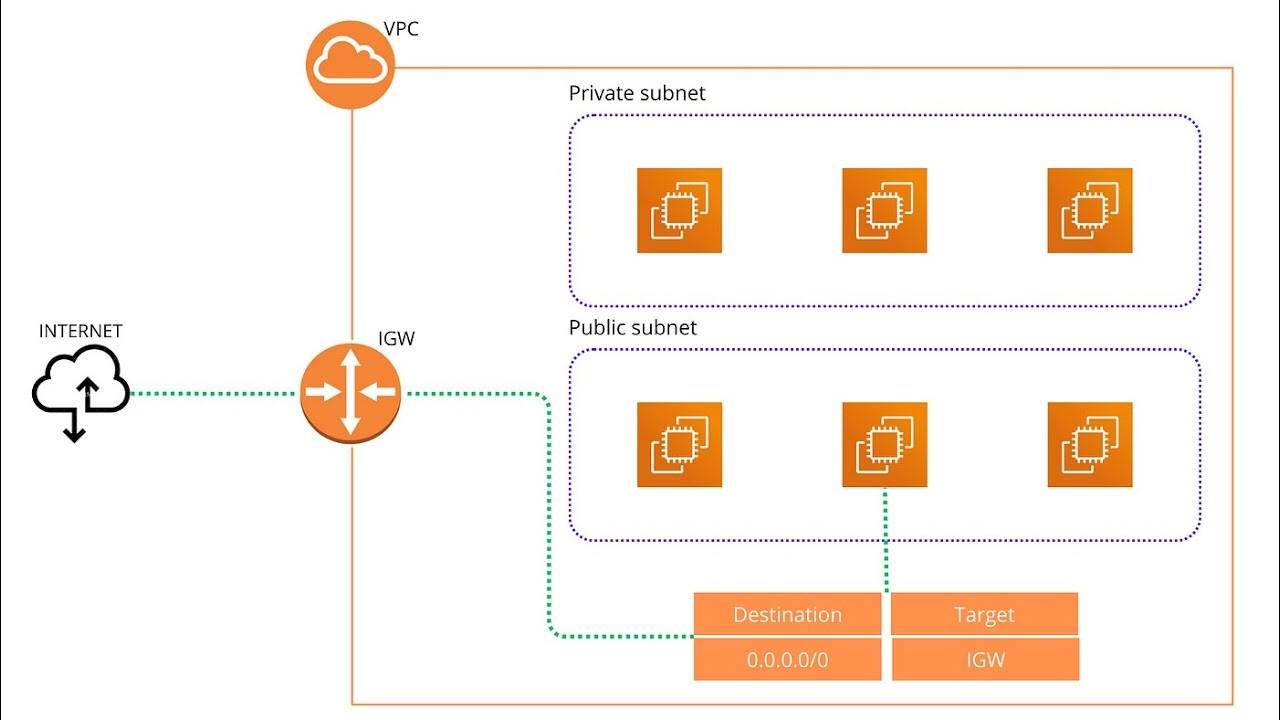
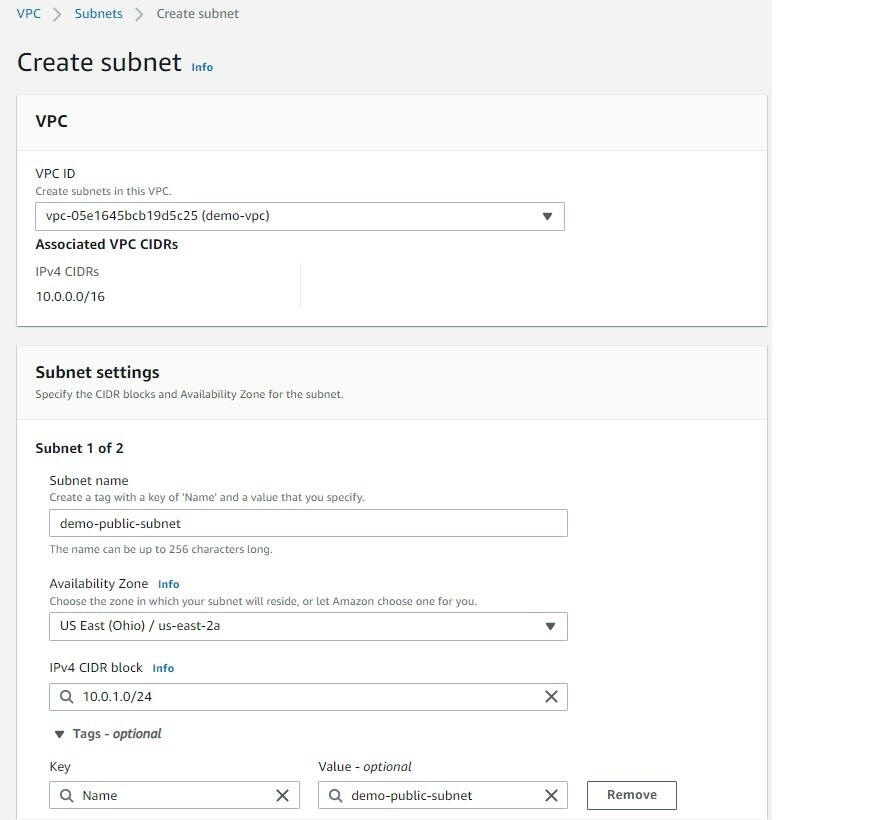
2. Create Subnets (organizing the network) :

👉 Why next?

Because:

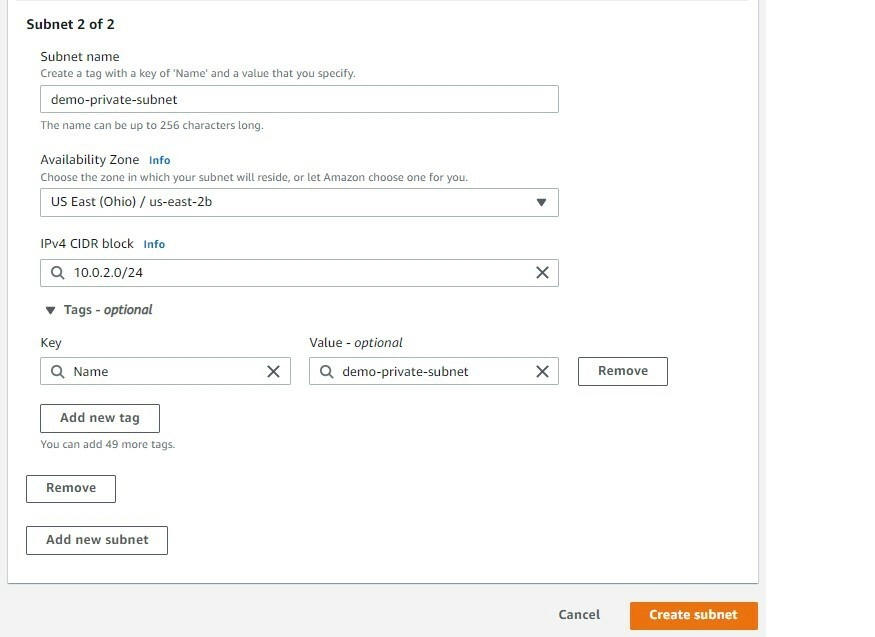
Subnets = rooms inside a house
We separate:

-public (accessible from the Internet)
-private (protected)

✔️ This helps structure and secure the architecture from the beginning

---

3. Internet Gateway (open to the Internet) :

👉 Why now?

Because:

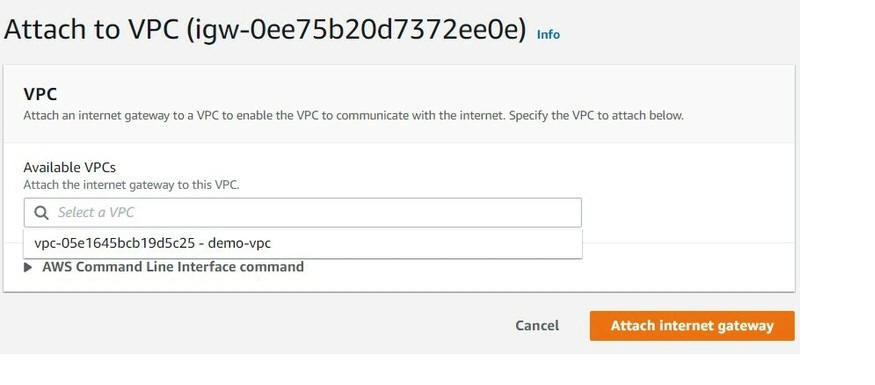
-A VPC is isolated by default
-The Internet Gateway allows communication with the Internet

✔️ Without IGW → no external access

---

4. NAT Gateway (secure Internet access for private subnets) :

👉 Why after IGW?

Because:

Private servers must NOT be exposed
NAT allows them to:
✔️ access the Internet
❌ without being accessible from the Internet

💡 Example: safely updating a server

---

5. Configure Route Tables (the network GPS) :

👉 Why here?

Because:

Routes define where traffic goes

✔️ Example:

Public subnet → Internet Gateway
Private subnet → NAT Gateway

💡 Without routes → nothing flows correctly

---

6. Launch EC2 instances :

Amazon EC2

👉 Why now?

Because:

The network is ready
Traffic rules are already defined

✔️ You can launch machines in a secure environment

---

7. Security Groups (instance-level firewall) :

👉 Why after EC2?

Because:

Security Groups are attached to instances

✔️ You define:
➡️ who can access (SSH, HTTP…)
➡️ who is blocked

💡 Example:

Bastion host → SSH allowed
Private server → restricted access

---

8. NACLs (network-level security) :

👉 Why after that?

Because:

NACLs work at the subnet level (more global)

✔️ Double security:
➡️ Security Group = instance level
➡️ NACL = network level

---

9. SSH connection via Bastion host :

👉 Why here?

Because:

The bastion is ready
Security rules are configured

✔️ You can now access private servers securely

---

10. Enable VPC Flow Logs :

👉 Why now?

Because:

The infrastructure is complete
You can start monitoring traffic

✔️ It helps you see:
➡️ who communicates with whom
➡️ suspicious activity

---

11. Send logs to CloudWatch :

Amazon CloudWatch

👉 Why last?

Because:

You want centralized logging
Easier analysis and auditing

✔️ CloudWatch = monitoring and logging tool

---


-Build the network (VPC) :


-Organize (Subnets) :


-Open (Internet Gateway) :
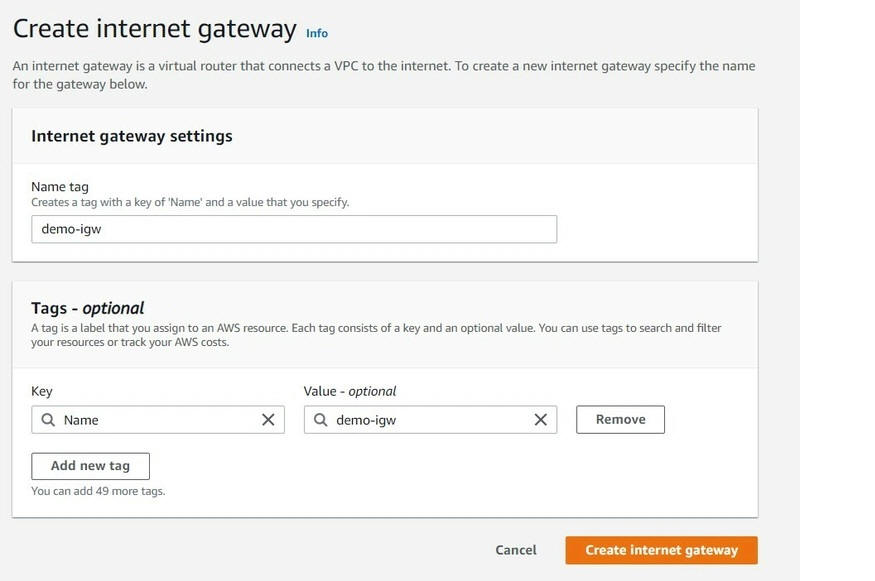


-Route traffic (Route Tables) :
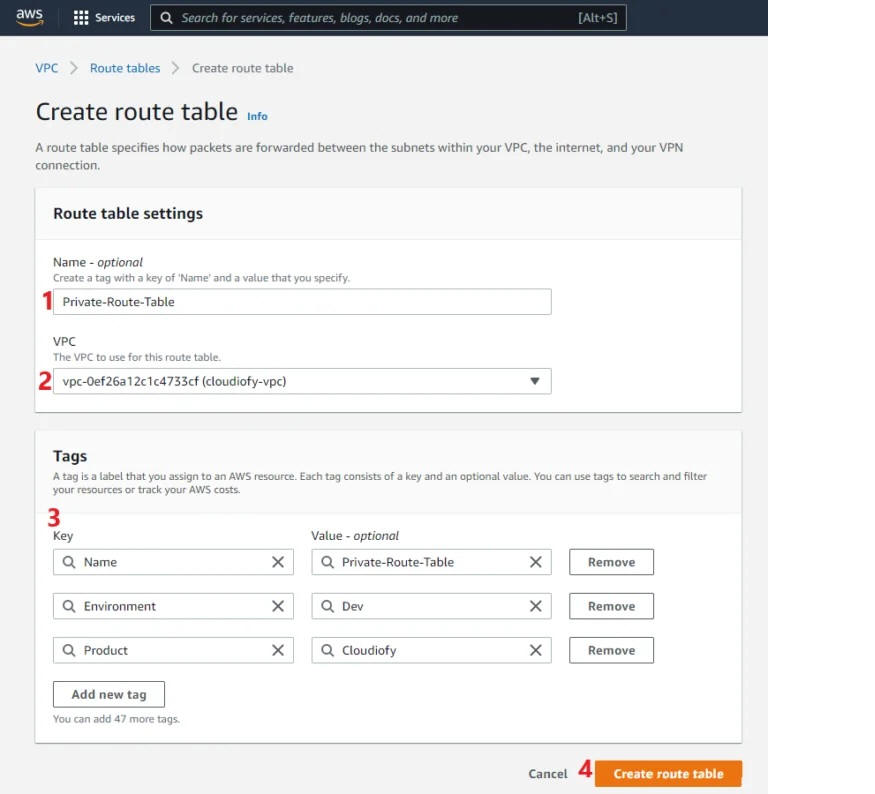
-Protect (Security Groups + NACLs) :
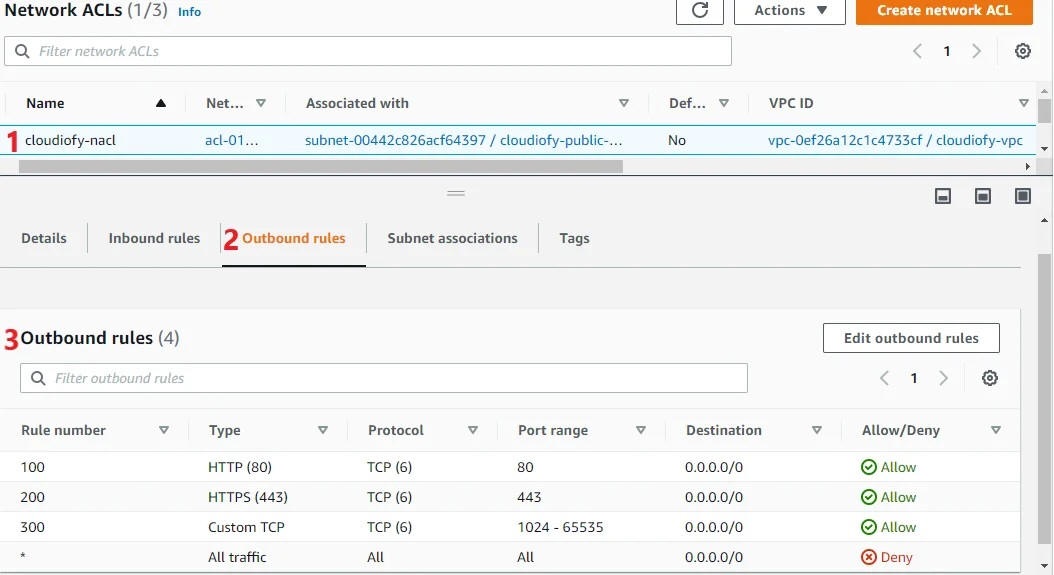
 

-Enable VPC Flow Logs :
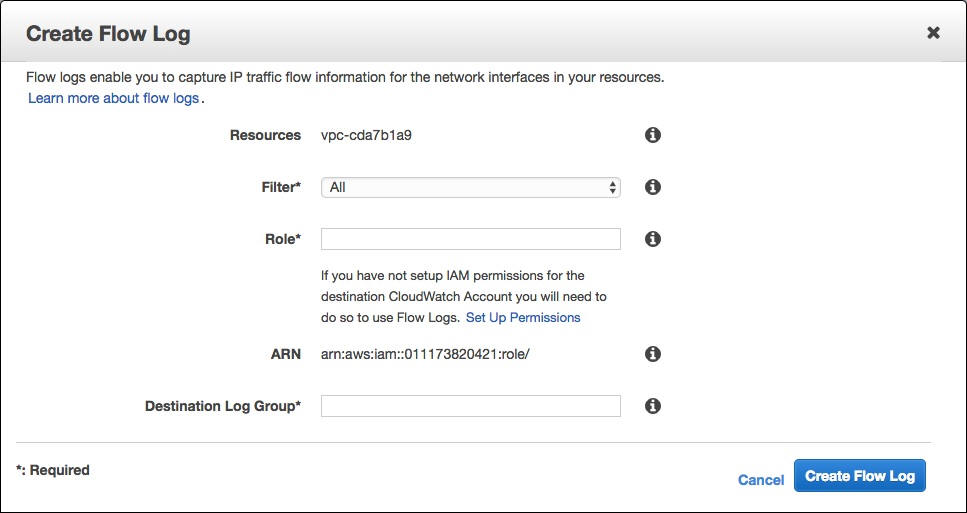


Copyright © All rights reserved.


* Cybersecurity Analyst
* SOC Analyst
* Security Operations Center
* Cloud Security
* DevSecOps
* Information Security
* Cybersecurity Engineer
* Threat Detection
* Incident Response
* SIEM Monitoring

---

# 🛡️ 2. Mots-clés SOC (très importants pour recrutement)

* SOC Analyst Tier 1
* SOC Analyst Tier 2
* Security Monitoring
* Log Analysis
* Security Alerts
* Threat Hunting
* Malware Analysis
* Phishing Detection
* Brute Force Detection
* Incident Investigation
* Security Events
* Blue Team

---

# ☁️ 3. Mots-clés Cloud Security

* Cloud Security Engineer
* AWS Security
* Azure Security
* Cloud Infrastructure Security
* Cloud Threat Detection
* Cloud Monitoring
* Identity and Access Management (IAM)
* Cloud Compliance
* Cloud Security Best Practices

---

# ⚙️ 4. Mots-clés DevSecOps

* DevSecOps Engineer
* Secure CI/CD Pipeline
* Security Automation
* Infrastructure as Code Security
* Docker Security
* Kubernetes Security
* Application Security
* Code Security
* SAST / DAST
* Continuous Security

---

# 🔬 5. Mots-clés techniques (très puissants SEO)

* Splunk
* ELK Stack (Elasticsearch, Logstash, Kibana)
* Microsoft Sentinel
* Wireshark
* Sysmon
* Linux Security
* Windows Security Logs
* Network Security
* Firewall Logs
* IDS / IPS

---

# 🚀 6. Mots-clés “portfolio / recrutement”

👉 Très important pour être trouvé par RH

* Cybersecurity Portfolio
* SOC Analyst Portfolio
* Cybersecurity Projects
* Cybersecurity Labs
* Security Use Cases
* Threat Detection Lab
* Cybersecurity Skills
* Entry Level Cybersecurity
* Junior Cybersecurity Analyst

---

# 📈 7. Mots-clés SEO longue traîne (ULTRA PUISSANT)

👉 Ceux-là font la différence 🔥

* Cybersecurity analyst portfolio website
* SOC analyst projects and labs
* How to detect cyber attacks using SIEM
* Cybersecurity incident response examples
* Cloud security best practices for beginners
* DevSecOps security pipeline example
* SIEM log analysis tutorial
* Threat detection use cases

---

# 🧠 STRATÉGIE SEO (très important)

## 📌 Où mettre ces mots-clés :

* Page d’accueil (titre + description)
* Page “About”
* Page “Labs”
* Titres H1 / H2 / H3
* Meta description
* URL des pages

---

# 🏆 EXEMPLE DE TITRE SEO (à utiliser)

👉
**Cybersecurity Analyst Portfolio | SOC, Cloud Security & DevSecOps Projects**

---

# 🏆 EXEMPLE META DESCRIPTION

👉
**Cybersecurity Analyst portfolio with hands-on labs in SOC monitoring, SIEM, Cloud Security and DevSecOps. Available for hiring.**

---
 

Manager DSI (secteur bancaire)

🎯 Mots-clés principau

# 🏦 🔥 1. Mots-clés Manager DSI (secteur bancaire)

## 🎯 Mots-clés principaux

* IT Manager
* IT Director
* Head of IT
* IT Governance
* Information Systems Management
* Digital Transformation
* IT Strategy
* Enterprise IT

---

## 🏦 Spécifique BANQUE (très puissant)

* Banking IT Systems
* Core Banking Systems
* Financial Information Systems
* Banking Cybersecurity
* Risk Management Banking
* IT Compliance Banking
* Data Protection Banking
* Financial Security

---

## ⚖️ Gouvernance & conformité

* IT Governance Framework
* COBIT
* ITIL
* Risk Assessment
* Business Continuity Plan (BCP)
* Disaster Recovery Plan (DRP)
* Regulatory Compliance

---

## 📊 Management & pilotage

* IT Project Management
* Team Leadership IT
* IT Operations Management
* KPI IT Performance
* IT Service Management (ITSM)
* Strategic IT Planning

---

# 🏥 🛡️ 2. Mots-clés RSSI (hôpital / santé)

## 🎯 Mots-clés principaux

* Chief Information Security Officer (CISO)
* Information Security Manager
* Cybersecurity Governance
* Security Risk Management
* Security Policies

---

## 🏥 Spécifique SANTÉ (très important)

* Healthcare Cybersecurity
* Hospital Information Systems (HIS)
* Patient Data Protection
* Medical Data Security
* Health IT Security
* Electronic Health Records (EHR) Security

---

## 🔐 Sécurité & conformité

* ISO 27001
* NIST Cybersecurity Framework
* GDPR Compliance
* Data Privacy
* Access Control
* Identity Management

---

## 🚨 Gestion des incidents

* Incident Response Management
* Security Operations Management
* Cyber Risk Assessment
* Vulnerability Management
* Threat Intelligence

---

# 🚀 🧠 3. Mots-clés hybrides (TRÈS PUISSANTS 🔥)

👉 Ceux-là font le lien entre ton profil actuel et ton évolution :

* Cybersecurity Leadership
* IT Security Strategy
* Enterprise Security Architecture
* Security Governance
* IT Risk Management
* Digital Security Transformation
* Cloud Security Governance