





GitHub link               README

The logical order is:

1. Activate security
2. Observe (dashboard)
3. Understand data sources
4. Improve protection
5. Simulate an attack
6. Detect (finding)
7. Analyze
8. Prioritize (severity)


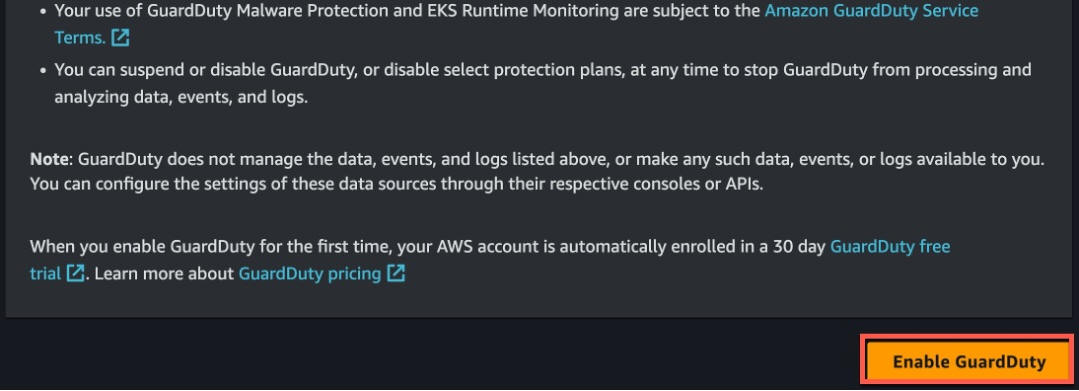
1. Activate GuardDuty (start the protection)

Amazon GuardDuty

👉 Why start here?
Because:

Nothing can be detected if the service is not active

✔️ You are turning ON the security system

💡 Like installing a security camera before monitoring anything.

---

2. GuardDuty Dashboard (see the global view)

👉 Why next?

Because:

Once activated, you need to see what’s happening

✔️ You visualize:
➡️ findings
➡️ severity
➡️ status

💡 This is your security control panel.

---

3. Data Sources (understand what is analyzed)

👉 Why here?

Because:

You need to know where the data comes from

✔️ GuardDuty analyzes:
➡️ AWS CloudTrail
➡️ Amazon VPC Flow Logs
➡️ Amazon Route 53 logs

💡 No data → no detection

---

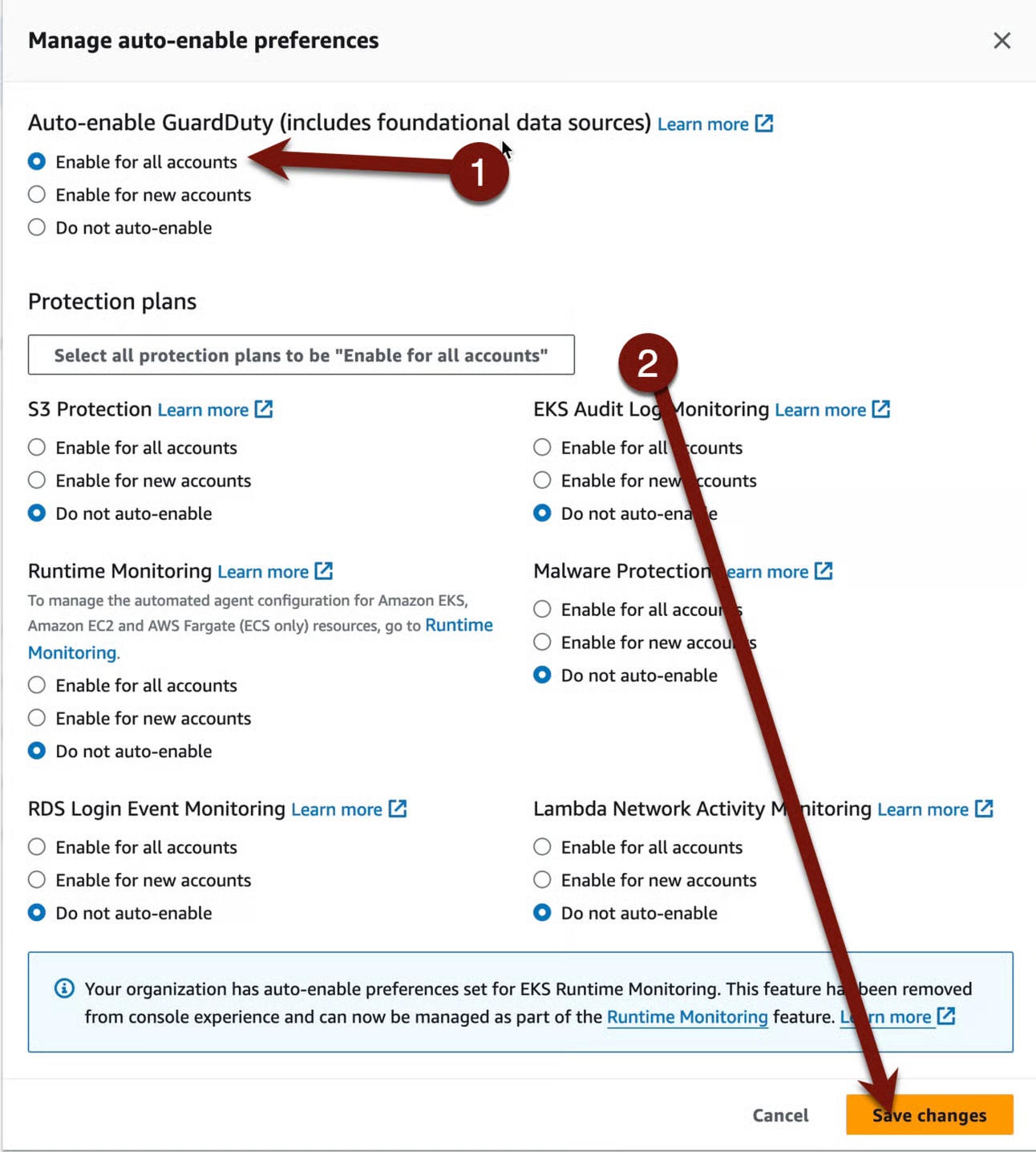
4. Configure protections (enhance security)

👉 Why now?

Because:

The service is running
Now you improve detection capabilities

✔️ Examples:
➡️ S3 Protection
➡️ Kubernetes Protection
➡️ Malware Protection

---

5. Simulate a suspicious activity

👉 Why here?

Because:

You need to create a real scenario

✔️ Example:
➡️ network scan
➡️ suspicious login

💡 No attack → no alert

---

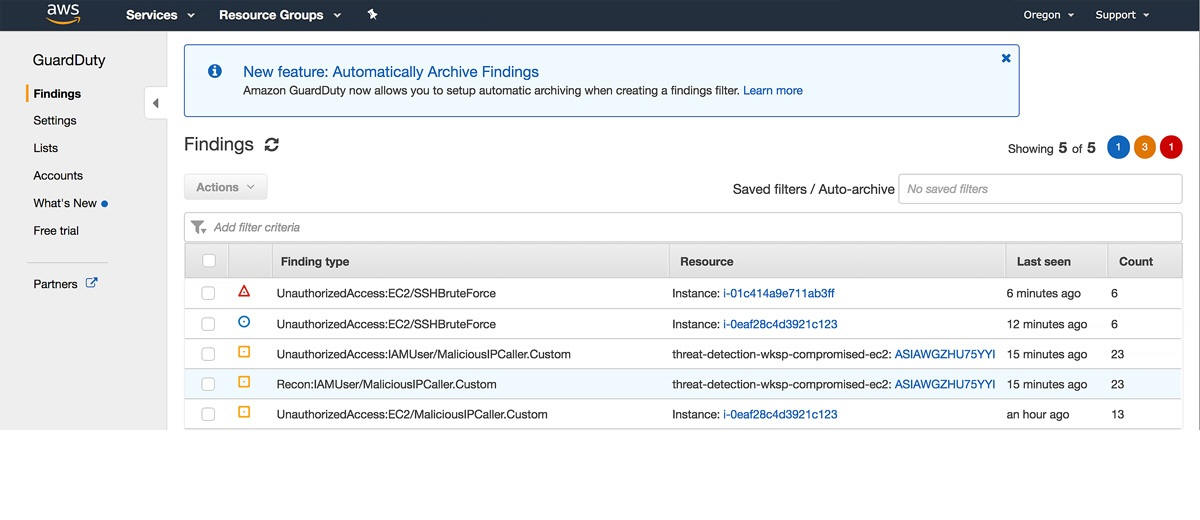
6. Detection (finding appears)

👉 Why now?

Because:

GuardDuty detects the simulated threat

✔️ Example:
➡️ UnauthorizedAccess:IAMUser

💡 This proves the system works

---

7. Analyze the alert

Why after detection?

Because:

You must understand the threat

✔️ You analyze:
➡️ suspicious IP
➡️ targeted resource
➡️ attack details

---

8. Severity level (prioritize the risk)

👉 Why last?

Because:

Not all alerts are equally important

✔️ Levels:
➡️ Low
➡️ Medium
➡️ High
➡️ Critical

💡 You decide what to fix first


-Activation of the GuardDuty service :
 

-


-Appearance of a finding (alert) :


Copyright © All rights reserved.


* Cybersecurity Analyst
* SOC Analyst
* Security Operations Center
* Cloud Security
* DevSecOps
* Information Security
* Cybersecurity Engineer
* Threat Detection
* Incident Response
* SIEM Monitoring

---

# 🛡️ 2. Mots-clés SOC (très importants pour recrutement)

* SOC Analyst Tier 1
* SOC Analyst Tier 2
* Security Monitoring
* Log Analysis
* Security Alerts
* Threat Hunting
* Malware Analysis
* Phishing Detection
* Brute Force Detection
* Incident Investigation
* Security Events
* Blue Team

---

# ☁️ 3. Mots-clés Cloud Security

* Cloud Security Engineer
* AWS Security
* Azure Security
* Cloud Infrastructure Security
* Cloud Threat Detection
* Cloud Monitoring
* Identity and Access Management (IAM)
* Cloud Compliance
* Cloud Security Best Practices

---

# ⚙️ 4. Mots-clés DevSecOps

* DevSecOps Engineer
* Secure CI/CD Pipeline
* Security Automation
* Infrastructure as Code Security
* Docker Security
* Kubernetes Security
* Application Security
* Code Security
* SAST / DAST
* Continuous Security

---

# 🔬 5. Mots-clés techniques (très puissants SEO)

* Splunk
* ELK Stack (Elasticsearch, Logstash, Kibana)
* Microsoft Sentinel
* Wireshark
* Sysmon
* Linux Security
* Windows Security Logs
* Network Security
* Firewall Logs
* IDS / IPS

---

# 🚀 6. Mots-clés “portfolio / recrutement”

👉 Très important pour être trouvé par RH

* Cybersecurity Portfolio
* SOC Analyst Portfolio
* Cybersecurity Projects
* Cybersecurity Labs
* Security Use Cases
* Threat Detection Lab
* Cybersecurity Skills
* Entry Level Cybersecurity
* Junior Cybersecurity Analyst

---

# 📈 7. Mots-clés SEO longue traîne (ULTRA PUISSANT)

👉 Ceux-là font la différence 🔥

* Cybersecurity analyst portfolio website
* SOC analyst projects and labs
* How to detect cyber attacks using SIEM
* Cybersecurity incident response examples
* Cloud security best practices for beginners
* DevSecOps security pipeline example
* SIEM log analysis tutorial
* Threat detection use cases

---

# 🧠 STRATÉGIE SEO (très important)

## 📌 Où mettre ces mots-clés :

* Page d’accueil (titre + description)
* Page “About”
* Page “Labs”
* Titres H1 / H2 / H3
* Meta description
* URL des pages

---

# 🏆 EXEMPLE DE TITRE SEO (à utiliser)

👉
**Cybersecurity Analyst Portfolio | SOC, Cloud Security & DevSecOps Projects**

---

# 🏆 EXEMPLE META DESCRIPTION

👉
**Cybersecurity Analyst portfolio with hands-on labs in SOC monitoring, SIEM, Cloud Security and DevSecOps. Available for hiring.**

---
 

Manager DSI (secteur bancaire)

🎯 Mots-clés principau

# 🏦 🔥 1. Mots-clés Manager DSI (secteur bancaire)

## 🎯 Mots-clés principaux

* IT Manager
* IT Director
* Head of IT
* IT Governance
* Information Systems Management
* Digital Transformation
* IT Strategy
* Enterprise IT

---

## 🏦 Spécifique BANQUE (très puissant)

* Banking IT Systems
* Core Banking Systems
* Financial Information Systems
* Banking Cybersecurity
* Risk Management Banking
* IT Compliance Banking
* Data Protection Banking
* Financial Security

---

## ⚖️ Gouvernance & conformité

* IT Governance Framework
* COBIT
* ITIL
* Risk Assessment
* Business Continuity Plan (BCP)
* Disaster Recovery Plan (DRP)
* Regulatory Compliance

---

## 📊 Management & pilotage

* IT Project Management
* Team Leadership IT
* IT Operations Management
* KPI IT Performance
* IT Service Management (ITSM)
* Strategic IT Planning

---

# 🏥 🛡️ 2. Mots-clés RSSI (hôpital / santé)

## 🎯 Mots-clés principaux

* Chief Information Security Officer (CISO)
* Information Security Manager
* Cybersecurity Governance
* Security Risk Management
* Security Policies

---

## 🏥 Spécifique SANTÉ (très important)

* Healthcare Cybersecurity
* Hospital Information Systems (HIS)
* Patient Data Protection
* Medical Data Security
* Health IT Security
* Electronic Health Records (EHR) Security

---

## 🔐 Sécurité & conformité

* ISO 27001
* NIST Cybersecurity Framework
* GDPR Compliance
* Data Privacy
* Access Control
* Identity Management

---

## 🚨 Gestion des incidents

* Incident Response Management
* Security Operations Management
* Cyber Risk Assessment
* Vulnerability Management
* Threat Intelligence

---

# 🚀 🧠 3. Mots-clés hybrides (TRÈS PUISSANTS 🔥)

👉 Ceux-là font le lien entre ton profil actuel et ton évolution :

* Cybersecurity Leadership
* IT Security Strategy
* Enterprise Security Architecture
* Security Governance
* IT Risk Management
* Digital Security Transformation
* Cloud Security Governance